Introduction To Forex Trading
Welcome to the exciting world of Forex Trading!
When we talk about Forex, or foreign exchange, we’re referring to the global, decentralised marketplace where individuals, companies and financial institutions exchange currencies. It’s the largest and most liquid market in the world, with an average daily trading volume exceeding $5 trillion.
Like all investment opportunities, Forex trading comes with its own set of advantages and risks. On the upside, it offers high liquidity, 24-hour trading five days a week, low transaction costs, and the ability to profit from both rising and falling markets. However, risks lurk in the form of high leverage which can lead to substantial losses, market volatility, and the potential for fraud.
The Forex market has a diverse group of participants, ranging from international banks and hedge funds to individual retail traders like you and me.
Before diving into the world of Forex, it’s essential to familiarise yourself with some basic terminology, including base and quote currencies, bid/ask prices, spread, pips, lots, leverage, and margin.
Fundamental Concepts in Forex Trading
It’s time to delve deeper into the foundational concepts of Forex trading.
The first concept that you must understand is currency pairs and exchange rates. In Forex, you’re buying one currency and selling another simultaneously, hence the term “currency pair.” The exchange rate is simply the value of one currency in relation to another.
Trading in Forex involves understanding the bid and asking prices. The bid is the price at which you can sell the base currency, while the ask is the price at which you can buy it.
In Forex trading, a pip is the smallest price move that a given exchange rate can make based on market convention. Pipettes are a fractional value of a pip, and while not all brokers use this format, it’s good to be aware of it.
Leverage in Forex is a tool that allows you to open larger positions than your actual capital. Meanwhile, a margin is a good faith deposit traders put up to open a leveraged position.
In Forex trading, different types of market orders can be used to enter or exit a trade, such as market orders, limit orders, stop orders, and trailing stop orders.
A successful Forex trader uses both technical analysis, which focuses on price action and chart patterns, and fundamental analysis, which looks at economic factors and macro indicators.
(The rest of the sections would follow a similar pattern: introduction, explanation of each point under the subheading, and conclusion.)
Remember, the above is a brief overview, and each section could easily be expanded upon with more detail and examples.
Finally, a critical aspect of learning Forex trading is to take it slowly, make sure you understand each concept thoroughly before moving on to the next, and always practise in a demo account before trading with real money.
Getting Started with Forex Trading
Setting up a trading account
To start trading forex, you first need to open a trading account with a forex broker. This involves choosing a broker, filling out an application form, and providing the necessary identification documents.
Choosing a reliable Forex broker
Choosing a reliable forex broker is crucial. You should consider factors such as regulation, trading platform, customer service, trading conditions, and educational resources. Some popular and reliable forex brokers include IG, Forex.com, and OANDA.
Different trading platforms and their features
Forex brokers provide trading platforms where you can execute trades. Some brokers have their own proprietary platforms, while others use popular platforms like MetaTrader 4 or 5. These platforms come with features like charting tools, real-time price updates, and various order types.
Understanding account types and trading conditions
Forex brokers offer different types of accounts with varying trading conditions. For example, some brokers offer mini, standard, and VIP accounts. Each account type has different minimum deposit requirements, leverage, spreads, and access to trading tools.
Demo trading and its importance
Demo trading is where you trade with virtual money in a simulated market environment. It’s an essential step for beginners as it allows them to learn how to trade without risking real money.
Risk management principles
Risk management is crucial in forex trading to protect your capital. This includes setting stop-loss orders to limit potential losses, only risking a small percentage of your capital on each trade, and not over-leveraging your positions.
Technical Analysis in Forex Trading
Introduction to charts and timeframes
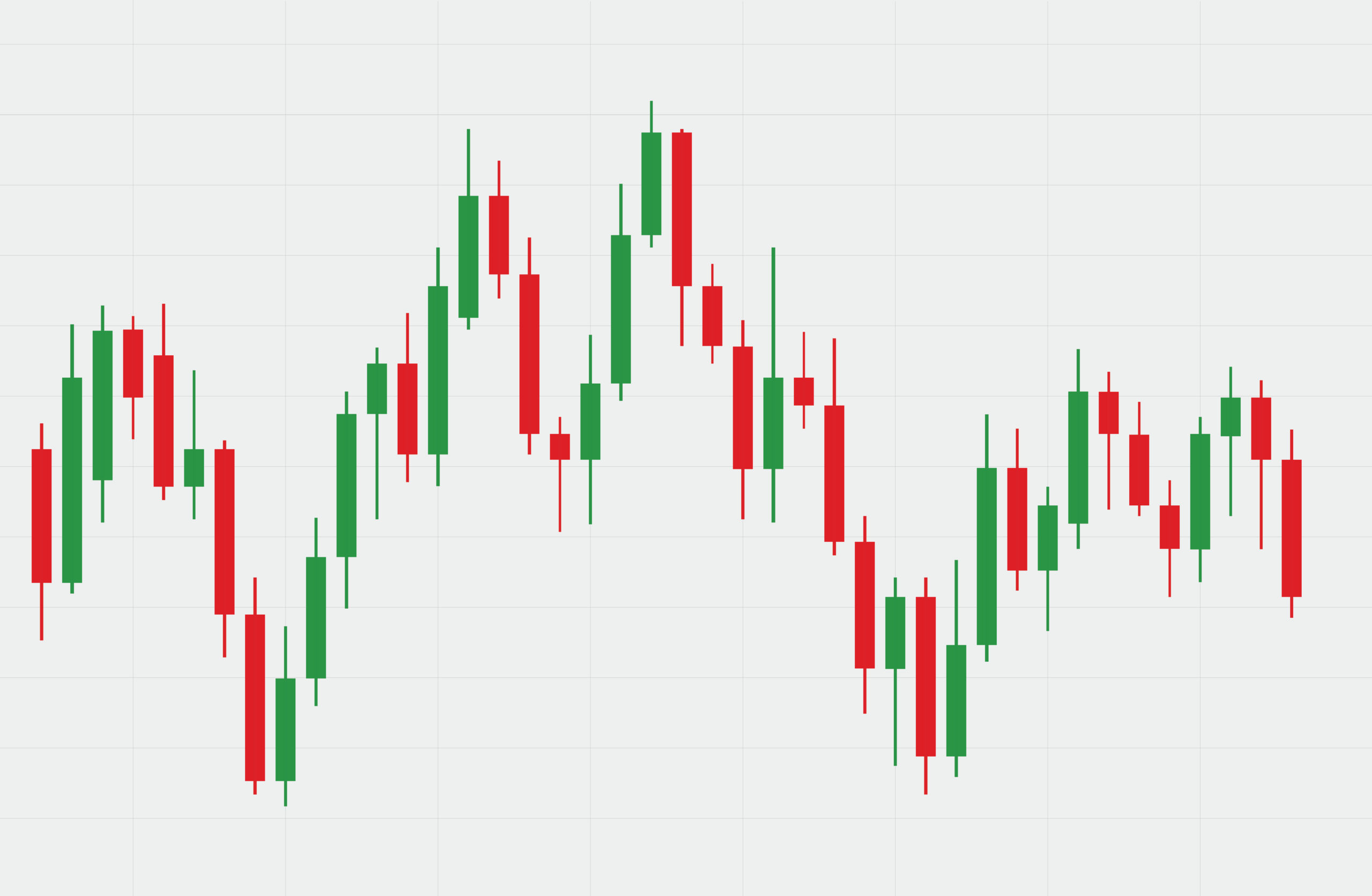
In forex trading, charts are visual representations of price movements. They can be displayed in different formats such as line, bar, or candlestick charts. Traders use various time frames depending on their trading style, from 1-minute charts for scalping to daily and weekly charts for longer-term trading.
Japanese candlestick patterns
Japanese candlestick patterns are graphical representations of price movements in a specified timeframe. They can provide useful information about market sentiment and potential reversals. Examples include Doji, Hammer, and Engulfing patterns.
Key chart patterns and trend analysis
Chart patterns are formations that appear on price charts and can provide clues about future price movements. Common patterns include head and shoulders, double top/bottom, and triangles. Trend analysis involves identifying and analysing the direction of price movement.
Support and resistance levels
Support and resistance levels are price levels where the price tends to reverse. Support is a price level where buying interest is strong enough to overcome selling pressure, leading to a price bounce upwards. Resistance is a price level where selling pressure overcomes buying pressure, leading to a price reversal downwards
Moving averages and oscillators
Moving averages smooth out price data to identify trends over a specific period. Oscillators are technical indicators that oscillate between a range, such as the Relative Strength Index (RSI) and Stochastic oscillator, often used to identify overbought and oversold conditions.
Fibonacci retracement and extension levels
Fibonacci retracement levels are horizontal lines that indicate where support and resistance are likely to occur, based on Fibonacci numbers. Fibonacci extension levels are used by traders to determine where to take profit.
Fundamental Analysis in Forex Trading
Economic indicators and their impact on currencies
Economic indicators like GDP, inflation rate, employment data, and consumer sentiment can significantly impact currency prices. Traders use these indicators to predict how economies might perform and place their trades accordingly.
Analysing geopolitical events and news releases
Geopolitical events and news releases can cause significant volatility in the forex market. Traders need to stay informed about world news, including political events, natural disasters, and economic policy changes.
Central bank policies and interest rates
Interest rates set by central banks directly influence currency values. When a central bank raises interest rates, its currency often appreciates. Conversely, a cut in interest rates can lead to currency depreciation
Interpreting economic calendars
Economic calendars list upcoming economic events, statistics releases, and other significant news. Traders use it to anticipate market movements and plan their trades.
Correlations between currencies and other markets
Currencies can be correlated with other markets, like commodities and stock indices. For instance, the Canadian Dollar (CAD) is often linked to oil prices due to Canada’s substantial oil exports.
Long-term investing strategies
Long-term forex strategies aim to profit from major economic trends. These strategies require patience, as trades may be held for months to years.
Developing a Forex Trading Strategy
Economic indicators and their impact on currencies
Economic indicators like GDP, inflation rate, employment data, and consumer sentiment can significantly impact currency prices. Traders use these indicators to predict how economies might perform and place their trades accordingly.
Analysing geopolitical events and news releases
Geopolitical events and news releases can cause significant volatility in the forex market. Traders need to stay informed about world news, including political events, natural disasters, and economic policy changes.
Central bank policies and interest rates
Interest rates set by central banks directly influence currency values. When a central bank raises interest rates, its currency often appreciates. Conversely, a cut in interest rates can lead to currency depreciation.
Interpreting economic calendars
Economic calendars list upcoming economic events, statistics releases, and other significant news. Traders use it to anticipate market movements and plan their trades.
Correlations between currencies and other markets
Currencies can be correlated with other markets, like commodities and stock indices. For instance, the Canadian Dollar (CAD) is often linked to oil prices due to Canada’s substantial oil exports.
Long-term investing strategies
Long-term forex strategies aim to profit from major economic trends. These strategies require patience, as trades may be held for months to years.

Risk Management and Money Management
Setting appropriate risk-reward ratios
The risk-reward ratio measures the potential profit for every dollar risked. A 1:3 ratio, for example, means risking $1 to potentially make $3. Traders should aim for a ratio that compensates for the risk taken.
Position sizing and lot size calculation
Position sizing involves determining how much of a portfolio’s total equity to risk on each trade. Lot size refers to the number of currency units a trader will buy or sell. The lot size should be determined based on risk tolerance.
Stop-loss and take-profit levels
Stop-loss levels are set to limit potential losses, while take-profit levels are set to secure profits when the price reaches a favourable level. These tools are critical in risk management.
Risk mitigation techniques (hedging, diversification)
Hedging involves making an investment to reduce the risk of adverse price movements in an asset. Diversification is a risk management strategy that mixes a wide variety of investments within a portfolio.
Managing emotions and avoiding impulsive trading
Managing emotions is crucial in forex trading. Traders should avoid impulsive trading and instead, follow their trading plan and strategy.
Keeping trading journals and analysing performance
A trading journal is a record of all trades made and includes details like the currency pair traded, the reason for trading, the strategy used, etc. Regularly reviewing this journal helps traders identify their strengths and weaknesses.
Advanced Topics in Forex Trading
Advanced technical indicators and tools
Advanced technical indicators, like the Elliott Wave Theory or Ichimoku Cloud, can help traders anticipate future price movements. Tools such as Autochartist and Trading Central provide market analysis and trade ideas.
Automated trading systems and algorithmic trading
Automated trading involves using a computer program to create orders and automatically submit them to a market centre or exchange. Algorithmic trading provides the ability to execute orders based on predefined criteria rapidly.
Using options and futures in Forex trading
Forex options and futures are derivatives instruments that traders can use to hedge against risk or speculate on future price movements.
Carry trading and interest rate differentials
Carry trading is a strategy where a trader borrows in a low-interest-rate currency and invests in a high-interest-rate currency. The interest rate differential is the difference in interest rates between two countries.
Advanced risk management techniques
Advanced risk management might involve using derivatives, diversifying across non-correlated currency pairs, or implementing advanced stop-loss techniques.
Market psychology and sentiment analysis
Market psychology refers to the prevailing sentiment or feeling that traders have in the market. Sentiment analysis involves assessing how market sentiment affects exchange rates.
Forex Trading Resources and Tools
Economic calendars and news sources
Economic calendars provide schedules of economic indicators and news events. News sources such as Bloomberg and Reuters provide essential financial information and market news.
Charting platforms and software
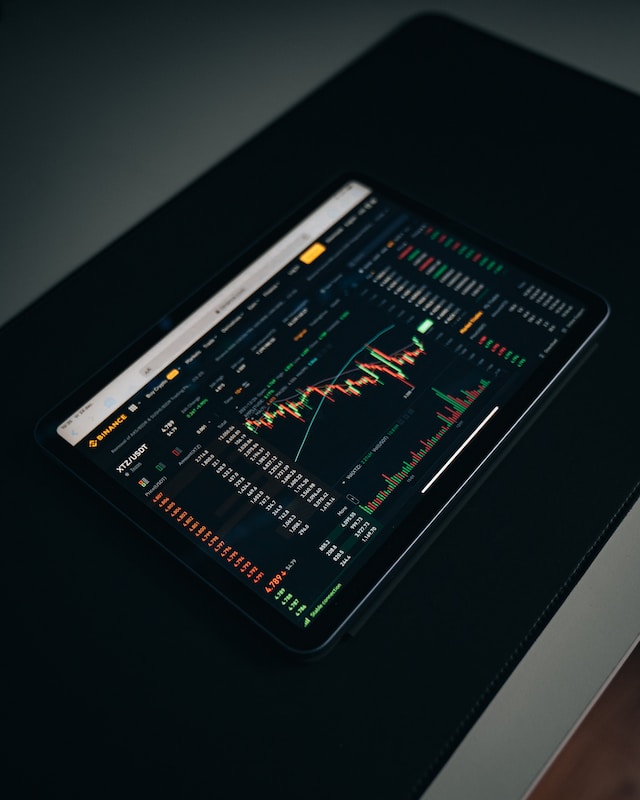
Charting platforms like MetaTrader 4/5 and TradingView provide tools for analysing currency pairs, including technical indicators and drawing tools.
Online forums and communities
Forums like Forex Factory and communities like the /r/Forex subreddit are places where traders share ideas, strategies, and experiences.
Trading journals and performance tracking tools
Trading journals help track trades and performance over time. Performance tracking tools help assess trading results, understand success rates, and improve strategies.
Educational courses and webinars
Many online platforms offer courses and webinars to help traders learn about forex trading. Examples include Babypips, Coursera, and Udemy.
Recommended books and further reading
Books such as “A Beginner’s Guide to Forex Trading” by Matthew Driver and “Forex For Beginners” by Anna Coulling provide valuable insights. Regular reading of financial news and academic articles can also help deepen understanding.